Kategori: Sober living

Best Vitamins for Alcoholics: Essential Nutritional Support for Alcohol Recovery

Zinc, on the other hand, is important for immune function, wound healing, and maintaining a healthy metabolism. To ensure proper nutrition, you can consider including magnesium and zinc supplements in your daily regimen. People who live with alcohol use disorder may develop a range of symptoms if they stop drinking suddenly. They may also experience vitamin deficiencies, as alcohol impairs the body’s ability to absorb vitamins and nutrients. The best vitamins include B-complex (especially B1, B6, and B12), vitamin C, vitamin D, and magnesium. These nutrients support neurological recovery, reduce oxidative stress, and address common deficiencies caused by alcohol use.

How to Stop Shaking After Drinking Alcohol: Expert Tips for Recovery and Support

vitamins for alcoholics

Conversely, Gibson et al. 54 has shown that two weeks of moderate consumption of alcohol (i.e., red wine, or vodka) increased tHcy and reduced the statuses of both vitamin B9 and B12. In addition, other studies have studied vitamin B status as well 55,56,57. In contrast, Laufer et al. 56 only showed an effect of ethanol on vitamin B12, with no effect on vitamin B9. However, in another study, Beulens et al. 57 showed that beer drinking raised vitamin B6 and appeared to reduce vitamin B12 levels while having no effect on vitamin B9 levels.

More in Healthy Living

It is important to replenish vitamin D, which helps your body absorb calcium and maintain strong bones. Vitamin D deficiency is widespread in people recovering from alcohol abuse and is linked to mood disorders and immune dysfunction. Vitamin K supports liver function and blood clotting, both compromised in alcohol-related liver disease. Alcohol interferes with digestion and absorption by damaging the intestinal lining and reducing enzyme activity. This impairment slows the uptake of water-soluble vitamins (B complex, vitamin https://ecosoberhouse.com/ C) and minerals like magnesium, resulting in poor cellular metabolism and oxidative stress. Understanding these mechanisms highlights why targeted supplementation is essential in restoring nutritional balance.

vitamins for alcoholics

Fatty Acids and Amino Acids

When dealing with alcohol use disorder, a comprehensive treatment plan is essential. This includes getting rid of toxins in the body through medical supersvision, which helps minimize withdrawal symptoms and ensures safety during the process. Supplementing your diet with essential minerals like magnesium, zinc, iron, and calcium is a vital aspect of recovery from alcohol use disorder. Ensure you consult with a healthcare professional to determine the appropriate dosages and supplements to support your journey toward better health. Balance your diet with essential vitamins, maintain a healthy lifestyle, and consult a healthcare professional in your journey with alcohol use disorder.

In this view, the ethanol-induced activation of cytochrome CYP2E1 appears to be one of the main mechanisms by which ethanol causes oxidative stress. Furthermore, when ethanol is oxidized by CYP2E1, it creates acetaldehyde, a highly reactive molecule that may contribute to ethanol’s toxicity 25. Excessive alcohol intake results in inflammatory lesions on the stomach and small intestine walls, reducing the ability of mucosal cells to absorb nutrients, including vitamin B, from food45. Even in small amounts, drinking alcohol raises stomach acidity levels and reduces the ability to absorb nutrients through the stomach mucosa and small intestine.

  • Foods rich in omega-3 fatty acids include fatty fish like salmon, walnuts, and flax seeds.
  • It’s crucial to engage with your healthcare provider when considering vitamin supplementation as a means of support during your recovery.
  • Amino acids, the building blocks of protein, are crucial for maintaining and repairing the body’s tissues, including muscles, bones, and organs.
  • Iron overload is an independent factor in hepatocellular carcinoma progression 110.

Naltrexone can help retrain your brain to be less interested in alcohol over time, while acamprosate, baclofen, gabapentin, and topiramate can all help reduce cravings for alcohol. Learn more about Alcoholics Anonymous medications for alcohol cravings, and other ways to round out your support system in recovery. Vitamins can only provide some protection against oxidative stress caused by alcohol.

  • The health consequences of alcohol intake vary depending on the amount and pattern of consumption.
  • Focusing on proper nutrition, including the consumption of omega-3 fatty acids and amino acids, can significantly aid in the alcohol recovery process.
  • By supplementing with the right vitamins, minerals, and antioxidants, individuals can support their healing process, restore nutrient levels, and promote overall well-being.
  • However, it’s essential to consult with a healthcare professional before starting any supplement regimen, especially if you have any underlying medical conditions or are taking other medications.
  • On the other hand, ALD patients were often found to be undernourished in the past; however, now they are often over nourished, consequently requiring their nutritional therapies to be modified.

These deficits can cause low energy, skin issues, and oxygen insufficiency, among other health consequences. The role of high doses of niacin (B3) in the treatment of alcohol addiction arose from Dr. Hoffer�s knowledge of its use in the treatment of schizophrenia. Several times, I was privileged to hear in person Dr. Hoffer�s presentations of schizophrenia cases, including his explanation of the biochemistry of niacin, or why it did what it did. At the same time, I was made aware of the put-down of the man and his ideas by conventional psychiatry as I talked to some of my jail patients� doctors. Dr. Hoffer never played the �victim� role but continued to simply present honest facts without rancor, making attempts to discredit him seem almost unbelievable.

They vitamins for alcoholics considered nutrition factors to augment, not replace, the basics of AA including considering the spiritual side of a troubled client. Milk thistle is an herb related to daisies and ragweed that is sometimes used to treat liver damage, including alcoholic liver disease. Experts think it might work by protecting the liver and lowering specific proteins like collagen produced by the body. That said, little information is available about its use during alcohol withdrawal.

vitamins for alcoholics

They’re likely cooked in unhealthy fats, like saturated and trans fats, and aren’t very nutritious. That’s what evens out your moods, helps you sleep better, and soothes the urge for alcohol. Experts suggest a diet with lots of complex carbs like whole grains, veggies, peas, and beans. This article covers the importance of vitamin supplementation for drinkers and how it affects their bodies. Vitamins are essential for aiding the liver after alcohol misuse by helping with detoxification, regeneration, and metabolism.
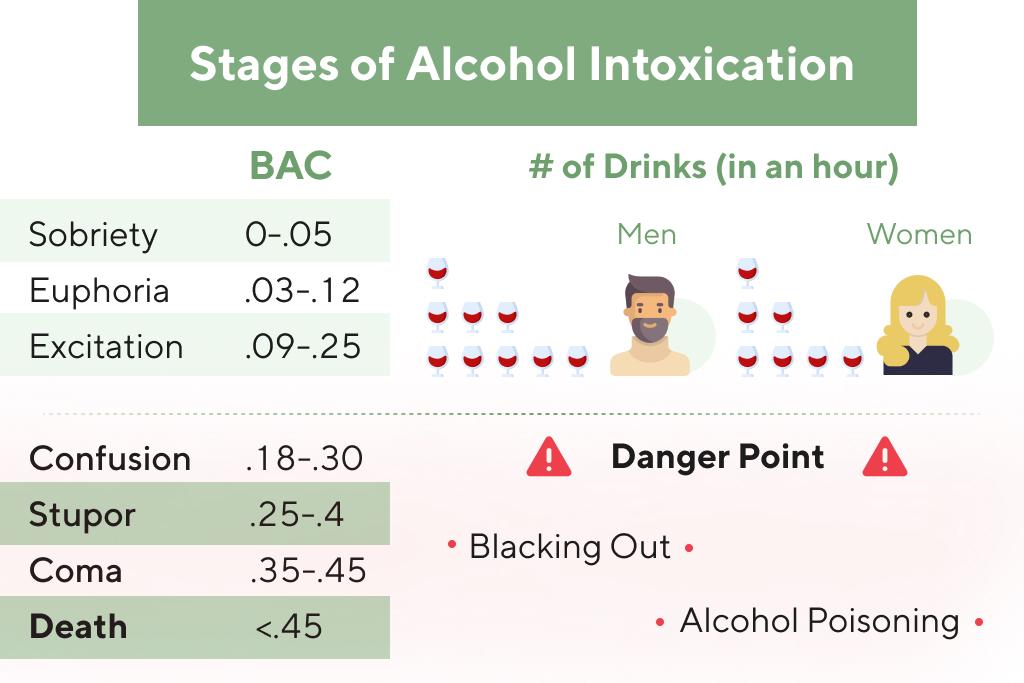
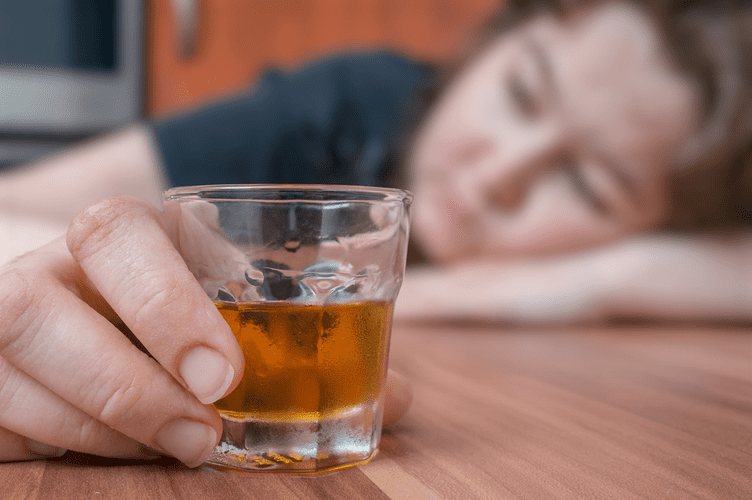
How long should you abstain from alcohol before a liver function test?

These pre-recovery markers of likelihood of sustained recovery versus return to problem drinking may help individuals and any family members supporting them to decide which recovery pathway to try first (abstinence vs. low-risk drinking). The male subjects (98% Caucasian) for this study were 129 probands from the San Diego Prospective Study who were first evaluated at age 20 as drinking but not alcohol dependent young men, most of whom were college graduates by followup. The individuals evaluated here met criteria for an AUD at their first follow-up at age 28 to 33 and were followed every 5 years for the next two decades. Discrete-time survival analysis was used to examine rates of initial and sustained AUD remission and to evaluate the relationships of premorbid characteristics and other risk factors to these outcomes. The study focused on individuals in sustained remission from alcohol use disorder for 5 years – a period of time that has been shown to mark stable remission, and the reduction of risk for re-developing substance use disorder similar to that of the general population.

  • Some believe that craving and its reduction is central to diagnosis and treatment (83, 85), although not all agree (86, 87).
  • A desire to reengage with work, hobbies, and self-care was reported by working-age adults entering treatment for substance use (Duncan et al., 2019), and reengagement in leisure occupations has been linked with greater success in early recovery in veteran populations (Wasmuth & Pritchard, 2016).
  • With the right resources, individuals can overcome the challenges of AUD and lead healthier lives.

Caring for Someone with a Substance Use Disorder: Providing Support During National Caregiver Month

sustain from alcohol

Certainly, many individuals with a history of AUD would relapse if they returned to occasional drinking, and these persons would need to maintain total sobriety to remain in recovery. The resources, or capital, a person needs depend heavily on the severity of a person’s substance use disorder and the resources they already have available. They are more likely to benefit from professional treatment and post-treatment support services. However, a person with moderate or severe substance use disorder and high recovery capital may require fewer resources to find and maintain recovery.

The Physical and Psychological Symptoms of Meth Withdrawal

  • Those with global low risk were about three times more likely to be moderately drinking over follow-up versus abstinent compared to those with global high risk.
  • The search terms included substance use disorder, addiction, drug use disorder, alcohol use disorder, continuing care, aftercare, stepped-care, treatment outcome, efficacy, effectiveness, and cost-effectiveness.
  • Several studies have examined the impact of providing incentives either for attendance at continuing care or for drug abstinence during continuing care.
  • In this comprehensive guide, we’ll explore the essential stages of alcohol abuse recovery—from recognition and detox to long-term relapse prevention.

During contemplation, individuals begin to recognize the negative impact of alcohol on their lives and start weighing the pros and cons of quitting. According to the same NCDAS report, Pennsylvania experiences an average of 5,703 annual deaths attributable to excessive alcohol use. Recovery unfolds in stages, from precontemplation to maintenance, guiding you from denial to full commitment. He rebuilt trust with his wife, got a promotion, and began mentoring others in early recovery. He began CBT therapy twice a week, joined a men’s support group, and used a sobriety app to track progress. Trying to quit alcohol drug addiction alone—especially if you’ve developed physical dependence—can be dangerous.

What Is Sobriety, Anyway?

The findings illustrated and confirmed that entry into recovery is triggered by an internal or external crisis caused by substance abuse 10, 11,12,13, 28, 31. Various crises, circumstances and reasons were responsible for the participants in this study to initiate their transition and subsequent journey from SUDs to sustained recovery. These turning points were motivated by internal and/or external motivators 28, 29. Among the internal motivators, reaching alcoholism ‘rock bottom’ or ‘burning out’ were mentioned 28, 29. External motivators mentioned by participants included interventions by relatives or employers.

Identify Your Personal Triggers

sustain from alcohol

Each month, participants also receive a personalized voice message from a counselor, which includes comments on progress and suggestions. The IVR system was evaluated in a study in which individuals with AUD who had completed 12 weeks of CBT were randomized to 4 months of the IVR system or of usual care, and followed for 12 months.48 Most primary analyses indicated no differences in drinking outcomes between the two conditions. However, a group x time interaction on drinking days per week favored the IVR condition. Nearly one-third of individuals in the United States meet lifetime criteria for an alcohol use disorder (AUD)(Grant et al., 2015).

Further, those who drank heavily but with few consequences were 4.6 times more likely than those with high dependence and high alcohol problems with infrequent heavy drinking to have moderated their drinking, versus experiencing unstable resolution characterized binge drinking and one or more relapses to alcohol use disorder. Findings from this study suggest that successful low-risk drinking during the post-resolution year is most likely among individuals with lower alcohol dependence, fewer functional problems related to drinking, and less money spent on alcohol versus money saved prior to resolving their problem. Those with global low risk were about three times more likely to be moderately drinking over follow-up versus abstinent compared to those with global high risk. It is possible that those with global high risk had been unsuccessful in their attempts to moderate and ultimately decided to pursue a goal of abstinence. This illustrative representative sample survey, among others,8,9 reveals a more optimistic and variable view of recovery pathways and outcomes than suggested by early research using treatment samples, which emphasized the chronic, relapsing nature of alcohol problems and the difficulty of maintaining remission.

Does Drinking in Moderation Help or Hurt the Long-Term Health of Your Brain?

The review begins with a brief summary of prior reviews (published through 2014) of SUD continuing care research. First, however, this review presents a conceptual model of continuing care and its principal goals with regard to the promotion of extended recovery. A recent scientific study has unveiled promising news for individuals recovering from alcohol abuse. Researchers discovered that the brains of those who abstained from alcohol for approximately 7.3 months exhibited significant improvements in brain structure, suggesting a remarkable potential for recovery. This new finding, published in the journal Alcohol, provides hope for people with alcohol use disorders and underscores the importance of sustained abstinence. Although the topic of substance abuse and SUD treatment, prevention and management has been well-researched internationally 14, there is a lacuna of knowledge focusing on sustained recovery from SUDs in the South African and broader African context.

Concerns that the threshold of two or more criteria is too low have been expressed in the professional (93, 94) and lay press (95), at presentations, and on the DSM-5 web site (e.g., that it produces an overly heterogeneous group or that those at low severity levels are not “true” cases). These understandable concerns were weighed against the competing need to identify all cases meriting intervention, including milder cases, for example, those presenting in primary care. Table 3 shows that a concern that “millions more” would be diagnosed with the DSM-5 threshold (95) is unfounded if DSM-5 substance use disorder criteria are assessed and decision rules are followed (rather than assigning a substance use disorder diagnosis to any substance user). Additional concerns about the threshold should be addressed by indicators of severity, which clearly indicate that cases vary in severity. The problems pertaining to the DSM-IV hierarchy of dependence over abuse also included “diagnostic orphans” (21–24), the case of two dependence criteria and no abuse criteria, potentially a more serious condition than abuse but ineligible for a diagnosis.